Older Home Maintenance in Central Florida: Watching Roof Leaks, Plumbing Leaks, and Ventilation Issues
Older homes in Central Florida have a personality all their own. They also have habits. A house that has made it through decades of summer storms, long humid seasons, and the occasional hurricane often tells you what it needs, if you know how to read the signs. A faint ceiling stain that seems unchanged for months. A bathroom that never quite dries out. A musty closet near an exterior wall. An air conditioner that runs hard but leaves the house feeling sticky anyway.
In places like Groveland and the rest of Lake County, moisture is rarely a one-time event. It comes from above, below, behind walls, around windows, through plumbing, and straight out of the air. That is why older home maintenance here is less about cosmetic fixes and more about staying ahead of hidden water. Roof leaks, plumbing leaks, and weak ventilation can each start small. Left alone, they often lead to larger repair work, indoor air concerns, and expensive restoration.
The good news is that older homes usually give warnings before they fail badly. The trick is to notice those warnings early and respond in the right order. Drying out a room without stopping the leak is wasted effort. Painting over staining without checking the attic is just postponing the bill. Cleaning visible mold without fixing the moisture source often means you will be cleaning it again.
Why Central Florida homes are especially vulnerable
Central Florida puts houses under a very specific kind of stress. Humid summers keep building materials damp longer than owners expect. Heavy rain finds weak flashing, aging shingles, and small cracks around penetrations. Hurricane season raises the stakes because wind-driven rain can push moisture into places a normal storm never touches.
That climate matters even more in older homes. Materials settle. Sealants age out. Past repairs may have been done in layers by different owners with different budgets. A house can look perfectly fine from the curb and still have an attic venting problem, an old supply line under a sink, or a slow roof leak that has been staining insulation for years.
Florida health guidance is very clear on one point that homeowners sometimes overlook: mold grows when moisture is present. The usual culprits are not mysterious. Roof leaks, plumbing leaks, condensation, flooding, poor kitchen or bathroom ventilation, and HVAC or drain-pan problems are common sources. When mold keeps returning, that usually means the moisture source has not really been solved.
I have seen that pattern play out in older homes over and over. Someone notices spotting around an AC vent and wipes it away. It comes back. They bleach the drywall, repaint, and feel relieved for a month or two. Then summer hits, humidity rises, and the stain returns with a musty smell. The actual issue turns out to be a damp section of ductwork, a clogged drain pan, or an AC system that is running without controlling humidity the way it should.
Roof leaks rarely stay in the roof
A roof leak in an older Florida home does not always announce itself with a dramatic drip into a bucket. More often, it shows up indirectly. Ceiling texture starts to bubble. Crown molding separates slightly from the wall. Insulation in the attic feels damp. A closet smells stale after every hard rain. Sometimes the water travels along framing and appears far from where it entered.
That is one reason roof leaks get misdiagnosed. Owners focus on the visible stain, but the entry point may be several feet away. On older roofs, flashing details around chimneys, vents, and valleys deserve special attention. So do transitions where additions were tied into the original structure years ago. If a home has had multiple reroofing jobs over time, small weak points can remain hidden until a storm exposes them.
In Central Florida, heavy rain tests every one of those details. A roof that seems fine in a light shower may leak during a wind-driven storm because the water is being forced uphill under vulnerable edges. After that, the moisture can linger in insulation, ceiling cavities, or wall assemblies long after the visible wet spot appears dry.
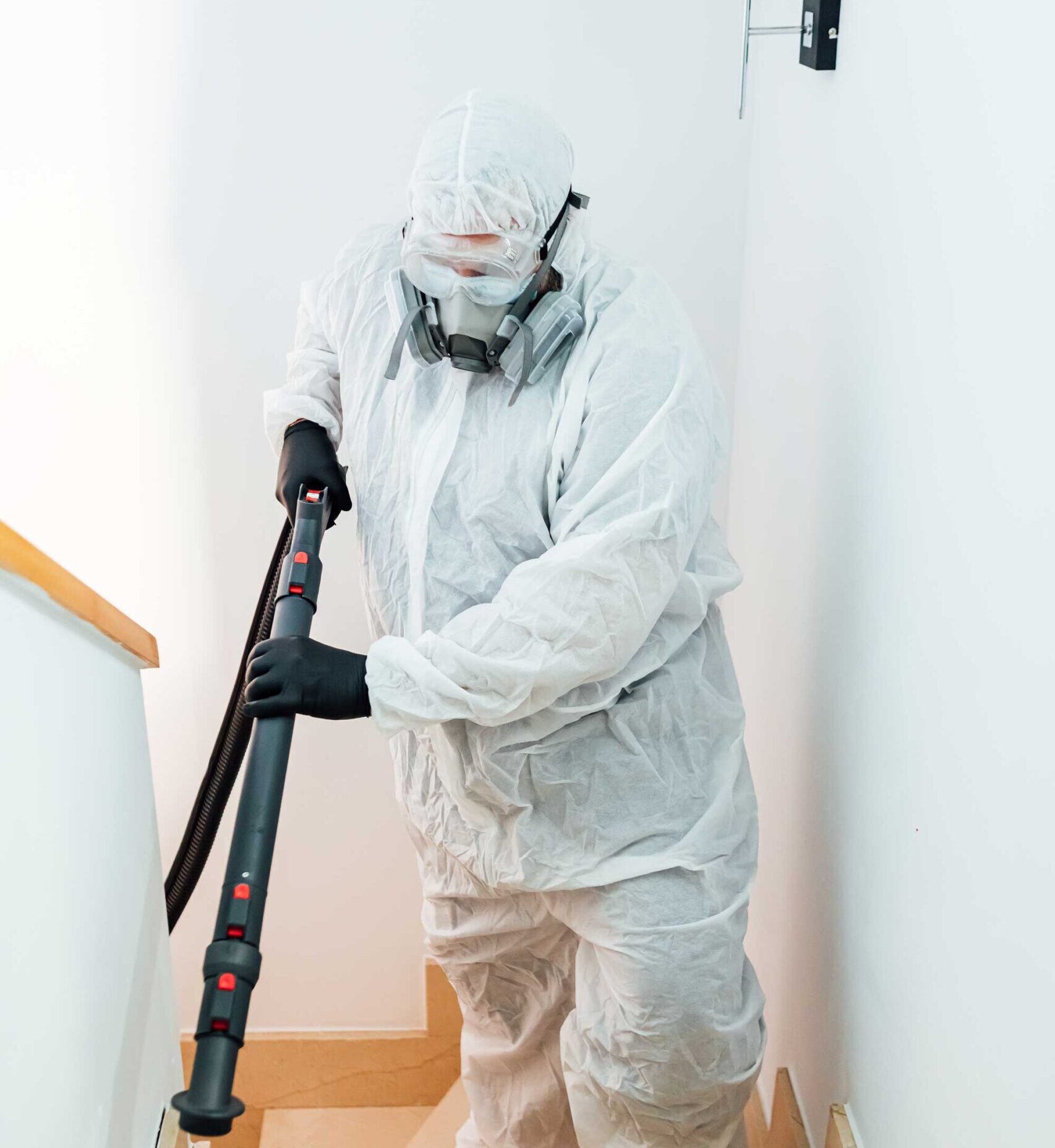
That lingering moisture is what creates the next round of trouble. Drywall softens. Wood stays damp. Odors begin. Then mold can follow, especially in shaded, enclosed, or poorly ventilated areas. At that stage, the job may shift from a basic repair to broader water damage cleanup Central Florida homeowners know can escalate quickly if delayed.
The practical move is to inspect after major storms and not just after obvious damage. If you had a rough weather event, especially during hurricane season, check the attic if it is safe to do so, look for fresh staining, and pay attention to any new indoor smell. Hurricane damage restoration Florida contractors often find that homeowners only noticed the issue weeks later, once the humidity and trapped moisture had already done their work.
Plumbing leaks are quieter, but often more destructive
Plumbing leaks in older homes tend to be patient. They can run for months under a sink, behind a toilet, inside a wall, or beneath flooring before anyone sees open damage. A roof leak usually follows weather. A plumbing leak can work year-round.
The trouble with slow leaks is that they make people underestimate them. A small supply line drip under a vanity may seem harmless if it only wets a few stored items. But cabinets are enclosed, dark, and slow to dry. That makes them ideal places for swelling particleboard, musty odors, and microbial growth. A worn wax ring at a toilet base can create a similar problem, with moisture repeatedly affecting subfloor materials before there is obvious staining in the room below.
Kitchen leaks are another classic issue in older homes. The leak may come from a drain connection, a refrigerator line, or a long-forgotten shutoff valve. The first clue is often smell, not water. By the time the base cabinet has softened, the flooring may already be affected.
Then there are the bigger failures, the kind that happen when an old fitting finally gives way or a line bursts while no one is home. At that point, cleanup becomes time-sensitive. Fast extraction and drying matter, but so does the sequence. First stop the water. Then determine what materials were affected, what can dry in place, and what needs to be removed. If the water involved is contaminated, the approach changes again.
Sewage backups are in a separate category entirely. CDC guidance treats sewage as a health hazard, and for good reason. If a backup affects flooring, bathrooms, or lower living areas, isolation and protective precautions matter. This is not ordinary mopping. Sewage cleanup should be handled with an understanding of contamination, not just visible mess.
Ventilation problems often masquerade as cleaning problems
A surprising number of older-home moisture complaints are actually ventilation complaints in disguise. The bathroom that gets “dirty” too fast may really be staying damp too long after showers. The kitchen ceiling that discolors may be seeing years of cooking moisture with poor exhaust. The bedroom closet on an outside wall may be trapping still, humid air.
Central Florida’s climate amplifies every ventilation weakness. If a bathroom exhaust fan is weak, blocked, or never used, steam hangs around. It lands on walls, trim, mirrors, and ceiling paint. In an older home with less effective air sealing and uneven cooling, that dampness can settle into corners and around supply registers.
The same goes for the HVAC system. Florida guidance notes that if central AC is being used to lower indoor humidity below 60 percent, the system should be examined for problems. That matters because people often assume that if cold air is coming out, the system is doing its job. Not necessarily. A house can feel cooler while still holding too much moisture. When that happens, you may see mildew-like spotting near vents, condensation concerns, or a general clammy feeling indoors.
Drain pans and condensate lines deserve special respect here. They are easy to ignore until they overflow or stay wet enough to support growth. In some homes, what looks like a recurring ceiling leak near an air handler is actually an HVAC moisture issue, not roof failure. In others, mold around registers may point to a broader HVAC mold remediation need, especially if internal system moisture has not been addressed properly.
This is where judgment matters. Not every dark spot around a vent is a major contamination event, and not every musty smell means a whole-house problem. But repeated moisture around HVAC components is not normal maintenance either. If the system is expected to manage humidity and it is not, something deserves a closer look.
What to watch for before damage becomes expensive
Most major moisture repairs in older homes start with a symptom the owner either missed or lived with too long. The signs are usually subtle before they become dramatic.
- ceiling stains that darken after rain or appear to spread slowly
- peeling paint, bubbling texture, or soft drywall near bathrooms, kitchens, or vents
- musty odors in closets, cabinets, attics, or rooms that stay shut
- repeated spotting around AC registers, windows, or exterior-facing walls
- warped baseboards, swollen cabinets, or flooring that feels uneven underfoot
A good rule is to take repeated signs seriously even if each one seems minor on its own. One stain can be old. One odor can be temporary. But a pattern tells a different story. Older homes reward owners who notice patterns.
Mold is a moisture problem first
People understandably focus on mold because it is visible and unpleasant. But mold is usually not the first thing to solve. The first thing to solve is why that area stayed wet long enough for growth to start.
Florida health guidance makes this pretty plain. Visible mold or recurring mold usually means the underlying moisture source still needs to be fixed. That source might be a roof leak, an unresolved plumbing drip, poor bathroom ventilation, an HVAC issue, or storm-related water intrusion. If you skip that step, you are only treating the symptom.
That is why mold removal Groveland homeowners pursue should be paired with moisture investigation, not handled as a surface-only cleaning project. The same logic applies to HVAC mold remediation. If system moisture remains, the conditions that allowed growth will remain too.
Licensing matters as well. In Florida, mold assessor and mold remediator licensure is handled by the Florida Department of Business and Professional Regulation. When a problem has spread beyond simple housekeeping or the source is not obvious, qualified help matters. The goal is not just to clean, but to understand what got wet, how long it stayed wet, and whether the moisture source is truly corrected.
Older homes can hold more than moisture
When moisture damage turns into a renovation, older homes raise another issue. Materials in homes built before 1978 may include lead-based paint. That does not mean every repair becomes a hazardous materials job, but it does mean owners should be cautious about sanding, demolition, or aggressive tear-out during leak repairs.
Asbestos is another concern in some older materials, especially when walls, ceilings, flooring, pipe insulation, or other building components are disturbed during larger work. EPA guidance is clear that demolition or renovation involving asbestos-containing materials must be handled under applicable rules. For homeowners in this area, that can make Groveland FL asbestos testing or asbestos abatement Lake County services relevant when repairs move beyond surface work and into demolition.
This is one of those edge cases that catches people off guard. They set out to fix a leak and discover the repair path is more regulated than expected because the damaged material itself needs special handling. That is not a reason to panic, but it is a reason not to tear into older assemblies blindly.
Storms, flooding, smoke, and the first day after damage
Most of the time, older home maintenance is about catching slow problems early. Sometimes, though, a storm or accident compresses everything into a single day. A roof fails during a hurricane. Wind-driven rain soaks a back room. A plumbing line breaks overnight. A small kitchen fire fills the house with smoke.
In those moments, the first 24 hours matter. FEMA and CDC flood guidance emphasizes starting with safety, utilities, and contamination risks before cleanup begins. If flood or storm water entered the home, assume there may be contamination concerns until you know otherwise. CDC guidance also warns people to discard food exposed to flood or storm water and to use generators carefully because of fire and carbon-monoxide risks.
The same principle applies after a fire. The U.S. Fire Administration stresses the importance of early safety checks, salvaging what is safe, and starting insurance and recovery steps promptly. Fire and smoke damage cleanup is not just about soot on surfaces. It can involve water used to extinguish the fire, odor issues, and materials that need specialized cleaning or removal.
When damage is sudden and broad, emergency restoration services often become less about convenience and more about limiting secondary damage. Quick response can help with water extraction, containment, drying, and documentation while conditions are still changing. A solid remediation company Lake County homeowners can call during a crisis should understand both the immediate cleanup side and the bigger picture of how moisture, contamination, and insurance documentation fit together.
What homeowners should do when they discover active damage
The response should be calm, practical, and ordered. Not every problem requires the same level of urgency, but almost every problem benefits from the same first mindset: stop the cause if you can do so safely, protect people, and document conditions before major cleanup changes the scene.
- make the area safe, and shut off water or electricity to the affected area if needed and if you can do so safely
- document visible damage with photos and notes, especially before removing items or opening materials
- contact your insurer promptly and ask specific questions about what they need for the claim
- avoid disturbing older materials unnecessarily if the home may contain lead-based paint or asbestos
- call appropriate professionals when contamination, sewage, storm damage, smoke, or widespread moisture is involved
That documentation piece is easy to rush past, especially when you are staring at wet carpet or a stained ceiling. But FEMA recovery guidance advises homeowners to document damage and coordinate with their insurer during cleanup and repairs. NAIC consumer guidance also reminds homeowners that a policy is a legal contract, and that asking questions, understanding coverage, and keeping an inventory can help with claims. In practice, that means slower thinking upfront often saves frustration later.

Choosing the right level of help
Not every issue needs a large response. A tiny plumbing drip caught early may only need a plumbing repair and some drying. A bathroom with fogging mirrors and peeling ceiling paint may need better fan use, a fan replacement, or an assessment of how that room is venting. But some conditions call for more than basic repair.
If water has affected multiple rooms, if the source involved sewage or floodwater, if odors remain after drying, or if mold keeps returning, it is worth bringing in people who handle the whole problem rather than one piece of it. That may include water damage cleanup Central Florida specialists, odor removal support when mustiness or smoke lingers, or a licensed mold professional when growth is established and the moisture source is uncertain.
One practical distinction homeowners can make is whether the problem is contained and understood, or spreading and unclear. Contained and understood problems are often repair jobs. Spreading and unclear problems are often investigation and remediation jobs.
That difference matters financially, too. A small fix done early is usually cheaper than a broad cleanup later. But a broad problem treated as a small one can cost twice, once for the cosmetic repair and once for doing the real work after the issue returns.
The older-home habit worth developing
If you own an older home in Central Florida, the most useful maintenance habit is a moisture habit. Walk the house with moisture in mind after hard rain. Open the vanity door once in a while. Pay attention to the smell in closets and near AC vents. Notice whether bathroom mirrors clear quickly or stay wet long after a shower. Look at ceilings during season changes. Trust recurring signs.
Older homes do not need perfection. They need observation, timely repairs, and a willingness to look past the surface. In a humid region like this one, roof leaks, plumbing leaks, and ventilation issues are not isolated annoyances. They are the starting point for many of the bigger problems homeowners hope to avoid, from mold to contaminated cleanup to storm-related restoration work.
Handled early, most of these issues stay manageable. Ignored, they tend to recruit each other. A leak becomes staining. Staining becomes trapped moisture. Trapped moisture becomes odor. Odor becomes mold. Then what could have been a small repair turns into a much larger conversation.
That https://homerestore645.wordcanopy.com/posts/damaged-floor-tile-ceiling-tile-pipe-wrap-siding-and-shingles-an-asbestos-abatement-guide-2 is the rhythm of home maintenance in this part of Florida. Watch for water, follow the evidence, and fix the cause before you spend money hiding the symptom.