Water Damage Checklist Myths: What the First Signs of Moisture Trouble Do and Do Not Tell You
A water stain on the ceiling feels like a message. So does a musty closet, a warped baseboard, or that faint earthy smell that shows up after a week of heavy rain. People see one clue and want one answer. Leak. Mold. Roof failure. Bad plumbing. Insurance claim. Demolition.
Real buildings are rarely that simple.
In Central Florida, moisture problems tend to blur together. Afternoon storms hit hard. Humid air hangs around. Air conditioning systems run for long stretches and sometimes struggle during the hottest months. During hurricane season preparation in Florida, most owners think about shutters, sandbags, and storm paths. Fewer think about the quieter issues that show up before and after severe weather, like hidden moisture in wall cavities, wet insulation, or indoor air quality in Florida homes and commercial spaces.
That is where a good water damage checklist helps, but only if you understand what a checklist can and cannot tell you. A checklist is a triage tool. It helps you notice patterns, prioritize urgency, and avoid missing obvious red flags. It does not diagnose every cause, confirm every contaminant, or tell you how far the damage extends behind finished surfaces.
The biggest mistakes happen when people either panic too early or relax too soon.
A stain is evidence, not a verdict
One of the most common myths is that a visible stain tells you exactly where the water came from. It does not. Water travels. It follows framing, slopes along vapor barriers, drops from one cavity to another, and can appear several feet away from the actual intrusion point.
A brown ring on drywall might come from a roof leak, but it could also be related to condensation, a plumbing issue on an upper floor, or moisture that entered during a past storm and only became visible later. In older properties, that uncertainty gets even messier. A home inspection in older homes in Florida may reveal long-standing patchwork repairs, layered roofing histories, or additions built at different times with different materials. Those details matter because each transition in a building is a potential weak point for moisture.

The stain still matters. It tells you water was there. It tells you not to ignore the area. What it does not do is offer a neat diagnosis by itself.
I have seen owners repaint a ceiling because the stain looked dry and unchanged for months. Then the next heavy rain brought the mark back, larger and darker, because the original source had never been addressed. I have also seen people tear into perfectly sound roofing when the real issue was interior condensation tied to poor airflow and persistent humidity.
The first sign is a clue. Treat it like one.
Musty odor does not automatically mean a giant mold problem
This is probably the stickiest of all mold myths. People smell something musty and jump straight to “the whole house has mold,” while others shrug and say, “Florida smells like that in summer.”
Both reactions miss the middle ground.
A musty odor suggests excess moisture somewhere, past or present. That deserves attention because damp materials can support mold growth. But smell alone cannot tell you the size of the issue, how active it is, or whether the source is in drywall, carpet, HVAC components, stored contents, or a forgotten corner of a utility room.
Florida health guidance is especially useful here because it pushes people away from one common dead end. The first step is not automatically mold sampling or testing. The first step is looking for signs of moisture or water damage. That is practical advice. If you can see active dampness, staining, swollen materials, or repeated condensation, you already have enough reason to act on the moisture problem.
That matters in both homes and commercial spaces. Commercial mold remediation decisions should start with the conditions on site, not just with fear over the word mold. A retail suite with a damp back wall, a management office with ceiling stains, and a storage room with visible moisture all call for inspection and correction of the water source first. Testing may have a place in some projects, but moisture control drives the outcome.
If the source remains, the odor usually returns.
Dry to the touch is not the same as dry enough
A second major myth is that once a surface feels dry, the problem is over. That is one of the reasons water damage seems to “come back” weeks later.
Surface dryness can be misleading. Drywall paint may feel normal while the cavity behind it still holds moisture. Baseboards may look stable while the framing behind them remains damp. Carpet fibers may seem dry underfoot while the pad underneath is still wet. That difference is why professional drying often involves more than fans in the room.
People often hear terms like dehumidification and air scrubbers and assume they are interchangeable or cosmetic. They are not. Dehumidification is about removing moisture from the air so wet materials can continue drying. Air scrubbers are used to improve air conditions in certain work environments https://renewproperty396.westhavenscope.com/posts/humidity-below-60-matters-an-educational-guide-to-hvac-leaks-and-mold-in-lake-county-homes by filtering airborne particles. They serve different purposes. Using one does not automatically replace the other.
This is also where the phrase mitigation vs remediation causes confusion. In plain terms, mitigation is about stopping further damage and stabilizing the situation. Remediation addresses contamination or affected materials that need to be cleaned, removed, or otherwise properly handled. Those phases can overlap, but they are not the same thing. A property manager dealing with water damage in a multifamily or commercial setting needs to understand that distinction because the response plan changes depending on what is actually happening in the building.
If water entered yesterday, urgent extraction and drying may be the first priority. If moisture lingered long enough for microbial growth or material deterioration, the scope shifts.
The first 24 to 48 hours matter, but so does what happened before
People love hard rules because they feel safe. “If I catch it within two days, I’m fine.” “If it has been a week, the whole structure is ruined.” Reality is more nuanced.
Time matters, but so do the type of water, the affected materials, the local humidity, and whether the area was enclosed or ventilated. In Florida, humid conditions can slow natural drying and keep materials damp longer than owners expect. A small leak in a well-conditioned space is not the same as repeated moisture intrusion in a closed-up room during a hot stretch of weather.
That is one reason the first signs should be read in context. Ask not only what you see today, but also what the building has been through. Recent storms, repeated AC strain, past repairs, and vacant periods all shape the picture.
A property manager water damage call in Lake County after a weekend thunderstorm may sound minor at first. “Just a damp wall.” Then you learn the tenant noticed odor last month, the AC had been underperforming, and a previous roof repair was done before the unit turned over. Now the wall is no longer an isolated symptom. It is part of a moisture history.
That history often tells you more than the stain itself.
A quick walkthrough catches more than most people realize
A checklist works best when it keeps you from fixating on one dramatic symptom. You do not need a lab coat to do an initial scan. You do need discipline.
Here is a practical first pass that owners and managers can use before they start making assumptions:
- Look for visible signs of moisture, including staining, swelling, peeling paint, warped trim, damp flooring, and condensation.
- Pay attention to smell, especially musty odors that seem stronger in one room, one cabinet, or near one wall.
- Think about timing, such as recent storms, plumbing events, AC trouble, or spaces that stayed closed up in humid weather.
- Check whether the issue appears isolated or whether nearby rooms show related clues.
- Document what you notice with photos and dates before cleaning, repainting, or opening walls.
That is a checklist, not a diagnosis. It helps separate “I have a weird smell” from “I have repeated moisture signs on the north wall after rain.” That difference matters when you bring in help.
Mold testing is not a substitute for finding the moisture source
This is worth saying plainly because it trips up a lot of people. A test result does not fix a wet building.
Florida health guidance does not recommend mold testing or sampling as the first step. That makes sense in real life. If materials are wet, if a closet smells musty, or if a ceiling cavity clearly took on moisture, waiting around for a report before dealing with the water source can waste valuable time.
Testing can become part of a broader plan in certain situations, particularly when the scope is disputed, when sensitive occupancy issues are involved, or when a commercial project has documentation requirements. But chasing samples while ignoring visible moisture is backwards.
This is one of the more persistent mold myths because testing feels scientific and decisive. In practice, the better first question is often, “Where is the moisture coming from, and how long has it been here?”
Older Florida buildings teach humility
If you work around older homes and older commercial buildings in Florida, you learn not to overpromise based on first impressions. Materials may be layered over older repairs. Past storms may have left hidden legacies. Ventilation strategies may not match the way the building is used today.
A home inspection in older homes in Florida often reveals clues that newer buyers misread. A patched ceiling does not mean an active leak. A clean wall does not mean a dry wall. Tile can hide a lot. So can cabinetry, vinyl flooring, and built-in shelving that sits tight against exterior walls.
That does not mean older buildings are hopeless. It means moisture evaluation needs patience and judgment. In some cases, the smartest first move is controlled investigation in the most suspect areas rather than broad demolition. In others, the pattern of staining and odor makes it obvious that the problem extends beyond cosmetic repair.
The myth to avoid here is the idea that one sign tells the whole story. In older buildings especially, it almost never does.
Renovation changes the stakes, especially where regulated materials may be involved
Water trouble often gets discovered right before renovation. Someone pulls up old flooring, opens a soffit, or removes a cabinet and suddenly sees staining, damaged substrate, or suspicious material layers that were hidden for years.
This is where enthusiasm can become expensive.
If a project is headed toward demolition or renovation and older building materials are involved, an asbestos survey before renovation may be a critical planning step depending on the property and scope. Florida regulates asbestos work through licensure and abatement rules, and licensed professionals must follow applicable work practices and notification requirements. The point is not to create fear. The point is to recognize that moisture damage sometimes intersects with regulated materials, especially when walls, ceilings, flooring, or pipe-related materials are being disturbed.
People sometimes assume water damage cleanup is just a matter of tearing out whatever looks bad. That is not always a safe or compliant assumption. In commercial, public, and some residential settings, the approach must account for what the materials actually are before demolition begins.
That is another place where mitigation vs remediation matters. Stabilizing water damage is one step. Disturbing building materials during renovation is another.
Not every odor is mold, and not every post-fire smell is solved the same way
Moisture conversations often bleed into other indoor environmental complaints. Someone reports a stale smell and calls it mold. Someone else moves into a property after a small fire event or a kitchen incident and assumes the lingering odor is “probably moisture in the walls.”
Odor can overlap, but source matters.
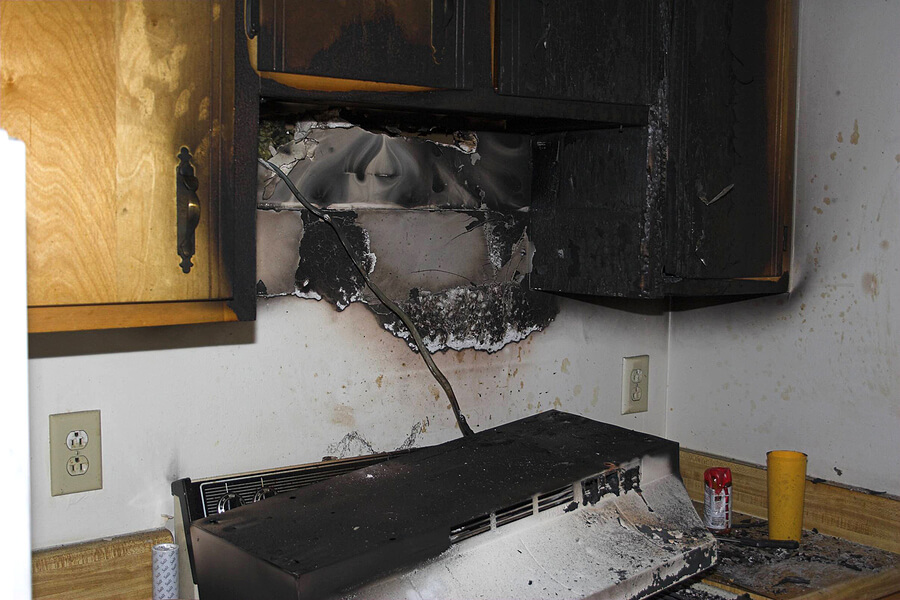
Smoke odor removal is its own category of work because smoke residues behave differently from water-driven microbial odors. The nose can tell you there is a problem. It cannot reliably tell you which problem. That is why broad statements like “bad smell means mold” or “it aired out, so it must be fine” are so unreliable.
Indoor air quality in Florida is affected by moisture, ventilation, occupancy, and building conditions. High humidity can make a space feel stale even when there is no major hidden mold issue. At the same time, an apparently clean room can still have a moisture problem tucked behind finishes. Good judgment starts with source identification, not guesswork based on odor alone.
Emergency response is about speed, but also about scope
In a true water event, speed helps. That part is not a myth. Waiting days to address active intrusion usually makes the situation harder and more expensive to sort out. Still, “fast” should not mean “sloppy.”
A proper emergency mindset asks a few practical questions right away:
- Is water still entering the building, and can that be stopped safely?
- Which materials are visibly affected, and which adjacent areas may also be at risk?
- Is the issue limited to water mitigation, or are there signs that remediation may also be needed?
- Are there occupants, tenants, or business operations that change access or containment needs?
- Could planned demolition raise separate concerns, such as the need for an asbestos survey before renovation?
That is the difference between a rushed cleanup and a thoughtful response.
For owners searching late at night for 24/7 emergency cleanup in Lake County, the pressure is understandable. A pipe break at midnight or storm intrusion on a Sunday does not wait for business hours. But even in an emergency, the smartest response is not just “dry whatever is wet.” It is “stabilize the loss, identify the likely extent, and avoid making the next phase harder.”
What first signs can tell you with reasonable confidence
By the time you have worked around enough moisture problems, you start trusting a few patterns.
First signs can tell you that water or excess humidity has likely been present. They can tell you the issue may be active, recurring, or historical based on what the surrounding materials look and smell like. They can tell you whether the risk appears isolated or whether it probably affects more than one area. They can tell you whether delaying action is a bad idea.
What they cannot tell you with certainty is the full extent behind closed surfaces, the exact path the water took, or whether every odor, stain, or cosmetic defect shares the same cause. They also cannot tell you whether demolition during repair may trigger other compliance or safety considerations.
That gap between clue and certainty is where people get into trouble. Some assume the worst and gut half the room. Others paint, caulk, and deodorize, then act surprised when the issue resurfaces in the next humid spell.
A good water damage checklist does not eliminate uncertainty. It helps you handle uncertainty better.
The calmest response is usually the best one
When moisture trouble shows up, the most useful mindset is calm, observant, and a little skeptical. Notice the signs. Record the timing. Resist the urge to name the problem before you understand it. If there is active water, treat it urgently. If there is evidence of lingering dampness, do not let surface dryness fool you. If renovation is involved, remember that hidden damage and older materials can change the rules quickly.
Florida buildings, especially in humid areas and storm-prone counties, ask owners to be good readers of subtle signals. A stain is not just a stain, but it is not a complete story either. A musty room deserves attention, but panic is not a plan. Drywall that looks normal may not be fully dry. A checklist can guide your first look, but it should never replace judgment.
That is the real myth worth retiring: the idea that the first sign of water trouble tells you everything you need to know.
Usually, it tells you just enough to take the next smart step.